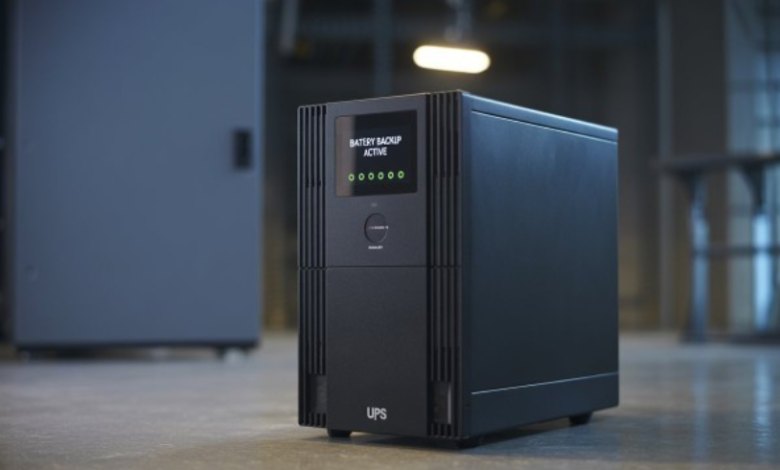
In today’s technologically driven world, electricity is the lifeblood of businesses, homes, and critical infrastructures. A sudden power outage can disrupt operations, cause data loss, and even damage sensitive equipment. This is where UPS (Uninterruptible Power Supply) systems come into play. UPS systems provide backup power during outages and help maintain the smooth functioning of electrical devices. Understanding the UPS uses is essential for both businesses and individuals to safeguard their operations and equipment.
What is a UPS?
A UPS is an electrical device that provides emergency power to a load when the main power source fails. It acts as a bridge between the power source and electronic devices, ensuring uninterrupted power supply. UPS systems vary in size and capacity, from small units for home computers to large industrial setups for data centers and hospitals.
Main Uses of UPS
The uses of UPS span various sectors and applications. Below are some of the primary ways UPS systems are utilized:
1. Protecting Computers and IT Equipment
Computers, servers, and networking equipment are extremely sensitive to power fluctuations. Even a minor voltage drop or surge can cause hardware damage or data corruption. UPS systems provide a stable power supply, protecting these devices from:
- Sudden power cuts
- Voltage spikes
- Electrical noise
See also: Streaming Reinvented: How IPTV Is Transforming Home Entertainment
2. Supporting Data Centers
Data centers host numerous servers and critical networking equipment. A power failure in a data center can result in downtime, financial loss, and compromised services. UPS systems in data centers ensure:
- Continuous server operation
- Protection against data loss
- Smooth shutdown during prolonged outages
3. Ensuring Industrial Continuity
Industries rely heavily on machinery and automated systems that require uninterrupted power. UPS systems in industrial settings help:
- Prevent production stoppages
- Protect sensitive equipment like CNC machines
- Maintain operational safety
4. Medical Equipment Backup
Hospitals and clinics depend on medical equipment such as ventilators, MRI machines, and surgical instruments. A UPS system ensures that these life-saving devices remain operational during power interruptions, which is critical for patient safety.
5. Telecommunication Support
Telecommunication networks require uninterrupted power for signal transmission and communication. UPS systems help maintain:
- Network uptime
- Continuous connectivity
- Protection for telecom switches and routers
6. Home and Small Office Use
For residential and small office users, UPS systems provide:
- Backup power for computers, routers, and modems
- Protection of electronic appliances from voltage fluctuations
- Convenience during temporary power outages
7. Supporting Renewable Energy Systems
UPS systems are increasingly being integrated with renewable energy sources such as solar panels. They store energy and provide a stable output, enhancing energy reliability and efficiency.
Benefits of Using a UPS
Using a UPS system offers several advantages beyond just backup power:
- Prevents Data Loss: Keeps computers and servers running during power interruptions.
- Protects Equipment: Guards against voltage fluctuations and power surges.
- Ensures Operational Continuity: Maintains critical operations in hospitals, industries, and businesses.
- Enhances Productivity: Minimizes downtime, allowing work to continue without interruption.
- Supports Energy Efficiency: Modern UPS systems optimize energy usage and reduce wastage.
Types of UPS Systems
Understanding the types of UPS systems can help users select the right solution:
- Standby UPS: Provides basic protection and switches to battery power during outages.
- Line-Interactive UPS: Regulates voltage fluctuations and offers longer backup time.
- Online UPS: Provides continuous power with no switching delay, ideal for critical equipment.
FAQs About UPS Uses
Q1: Can a UPS be used for all electrical appliances?
A UPS is best suited for sensitive electronic devices like computers, servers, and medical equipment. High-power appliances like air conditioners or refrigerators require specialized UPS units.
Q2: How long can a UPS provide backup power?
Backup time depends on the UPS capacity and load. Small UPS units may provide 10–30 minutes, while industrial UPS systems can last several hours.
Q3: Does a UPS protect against power surges?
Yes, UPS systems provide surge protection, shielding connected devices from voltage spikes.
Q4: Are UPS systems energy efficient?
Modern UPS systems are designed to be energy efficient, minimizing electricity wastage while maintaining backup power.
Q5: How often should UPS batteries be replaced?
Typically, UPS batteries last 3–5 years. Regular maintenance and testing can extend their lifespan.
Conclusion
The uses of UPS systems are diverse, spanning personal, industrial, and critical applications. From protecting computers and servers to ensuring continuous medical care and industrial production, UPS systems are indispensable in our power-dependent world. Investing in a reliable UPS not only safeguards equipment but also ensures operational continuity, minimizes downtime, and enhances overall efficiency. Whether for home, office, or industrial use, a UPS is a smart choice for uninterrupted power and peace of mind.